Centro de Pesquisa Thothora para Realidades Aumentadas e Virtuais
Arquitetando a era da computação espacial para dissolver as fronteiras entre a existência física e a imaginação digital.
VISÃO
Transitar a humanidade de uma era de "observar telas" para "habitar informações," onde a inteligência digital é entrelaçada de forma contínua no tecido do mundo físico.
DESAFIO
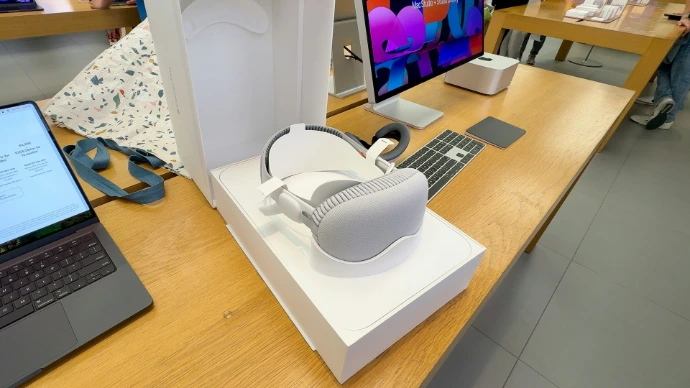
Atualmente estamos presos na era do "Screen-Silo". A maior parte da informação digital existe em superfícies 2D, desconectada do contexto 3D de nossas vidas físicas. Embora hardware como o Vision Pro e o Meta Quest tenham preenchido algumas lacunas, ainda enfrentamos umGap de Fricção e Bio-Sync—a latência técnica, o peso do hardware e a carga cognitiva (conflito de vergência-acomodação) que impedem a imersão a longo prazo. Sem uma estrutura fundamental para "Fluidez Espacial" e "Soberania Perceptual" ética, o metaverso corre o risco de se tornar uma sobreposição fragmentada, intrusiva e distrativa, em vez de uma extensão capacitadora da capacidade humana.
MISSÃO
Nossa missão é servir como o núcleo global para a inteligência espacial. Sintetizamos avanços em displays de campo de luz, latência de rastreamento ocular e renderização volumétrica em uma base de conhecimento autoritativa. Ao documentar a transição de "Experiências Isoladas" para "Realidades Espaciais Compartilhadas," fornecemos o roteiro estratégico fundamental necessário para garantir que XR (Realidade Estendida) seja desenvolvido com segurança ergonômica absoluta, privacidade e design intuitivo centrado no ser humano.
Especializações
Computação Espacial e Arquiteturas de Sistemas Operacionais
Analisando o desenvolvimento de sistemas operacionais projetados para ambientes 3D, com foco no controle por olhar e gestos e ancoragem digital persistente.

Óptica e Engenharia de Campo de Luz
Investigando a física de guias de onda e displays varifocais para eliminar o enjoo e fornecer visuais fotorealistas de alta fidelidade.
Síntese Háptica e Feedback Sensorial
Explorando o uso de ultrassom, robótica suave e estimulação elétrica dos músculos (EMS) para proporcionar uma sensação de toque e resistência no espaço virtual.


IA Espacial e Consciência Contextual
Focando em algoritmos de "Sensoriamento do Mundo" que permitem que óculos de AR entendam e reajam a objetos do mundo real, iluminação e física em tempo real.
Vídeo Volumétrico e Avatares Hiper-Realistas
Investigando a captura e renderização de presenças humanas 3D para possibilitar "holoportação" e colaboração remota emocionalmente ressonante.


Ética XR e Privacidade Perceptual
Abordando a proteção de dados biométricos (rastreamento ocular/sensação emocional) e os direitos legais ao "Espaço Mental" em um mundo de AR persistente.
Simulação Industrial e Médica
Examinando o uso de "Gêmeos Digitais" de alta fidelidade para treinamento cirúrgico sem risco, montagem complexa de aeroespacial e planejamento de resposta a desastres.

Perspectiva
Acreditamos que a realidade não é apenas o que vemos, mas como interagimos com ela. O "Centro de Pesquisa Thothora para Realidades Aumentadas e Virtuais" opera sob o princípio dePresença Integrada. NossaSérie de Pesquisa Contínuafornece o roteiro para um mundo onde a tecnologia se torna "Ambiental." Avançamos além da novidade do headset em direção à era deUnidade Digital-Física, garantindo que as ferramentas de 2026 aprimorem nossa conexão com nosso entorno em vez de rompê-la.