Thothora Research Center for Smart Cities and Infrastructure
Engineering the cognitive metropolis through integrated digital twins, resilient systems, and human-centric urban design.
VISION
To architect urban environments that function as living ecosystems—adaptive, carbon-neutral, and intuitively aligned with the needs of their citizens.
CHALLENGE
Modern cities are facing a "Structural Impasse." Rapid urbanization and aging 20th-century infrastructure have led to systemic inefficiencies, from gridlocked mobility to unsustainable energy waste. While "smart" gadgets are often added to city streets, they frequently exist in silos, creating a "Integration Gap" where data is collected but never utilized for systemic improvement. Without a unified framework for digital-physical convergence, our cities remain reactive, fragile, and increasingly disconnected from the environmental and social realities of 2026.
MISSION
Our mission is to serve as the global blueprint for the next generation of urban life. We synthesize breakthroughs in IoT-enabled infrastructure, autonomous transit, and green building science into an authoritative strategic framework. By documenting the move from "Project-based" upgrades to "System-wide" cognitive governance, we provide the foundational intelligence required to build cities that are not just efficient, but regenerative and inclusive.
Specializations
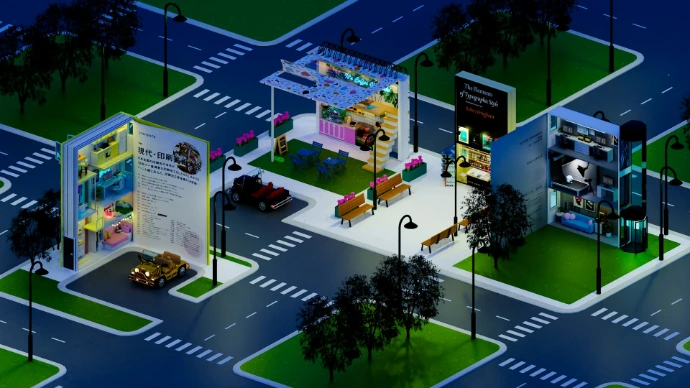
Urban Digital Twins and Simulation
Analyzing the use of real-time virtual replicas to model city-wide scenarios, from flood resilience to traffic flow optimization.
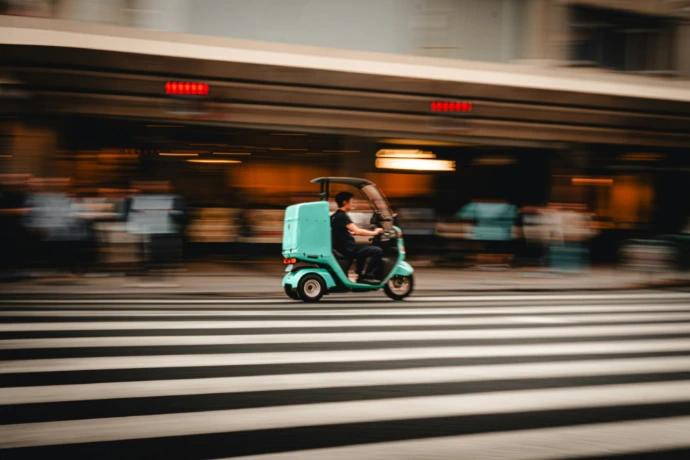
Cognitive Mobility and Multimodal Transit
Investigating the integration of autonomous shuttles, micro-mobility, and AI-driven traffic management into a seamless, "as-a-service" ecosystem.
Smart Grid and Localized Energy Micro-Ecosystems
Exploring the transition to decentralized energy networks where buildings act as both consumers and producers (prosumers).


Pneumatic and Automated Waste Management
Focusing on underground, sensor-driven collection systems that eliminate the need for traditional refuse vehicles and reduce urban emissions.
Intelligent Water and Resource Governance
Analyzing the use of leak-detection sensors and automated filtration to secure urban water cycles against scarcity.

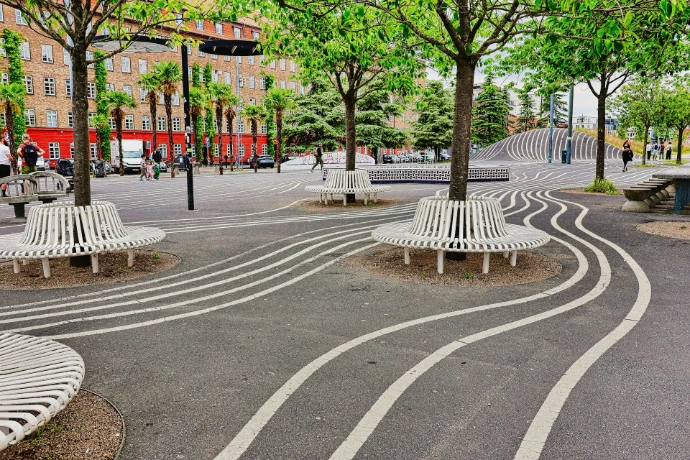
Human-Centric Public Space Design
Examining how "invisible technology" can enhance pedestrian safety, accessibility, and social vibrancy in 15-minute city models.
Adaptive Infrastructure and Material Resilience
Focusing on self-healing concrete, modular housing, and the retrofitting of legacy structures for the digital age.

Perspective
The Thothora Urban Philosophy: We believe that a city should be as smart as its citizens. The "Thothora Research Center for Smart Cities and Infrastructure" rejects the idea of the "Cold Tech" city. Instead, we advocate for Empathetic Infrastructure—where technology serves as a silent, efficient backdrop to human creativity and connection. Our Continuous Research Series provides the roadmap to move beyond the smart-city "pilot project" and into the era of the Cognitive Region, ensuring that the cities of 2026 are built to endure, evolve, and inspire.